
Affiliate programs for AI tools are the internet's loudest side hustle right now. "Earn $10,000/month promoting AI!" is the kind of headline that does numbers on LinkedIn, but it has roughly the same relationship to reality as a 5 a.m. forex testimonial. The MiniMax AI affiliate program is real and worth understanding on its own terms before you build a content strategy around it.
This guide breaks down how the program works, the commission structure, who the right fit is, what content converts, and — most importantly — what you can realistically earn if you treat this like a content business rather than a get-rich-quick scheme. No vague "passive income" hand-waving. Just the math, the mechanics, and the pitfalls.
How the MiniMax AI affiliate program works
The MiniMax AI affiliate program is a standard partner program with a recurring revenue share on subscription plans. You sign up, get approved, and receive a unique tracking link that you place in content you control. When someone clicks your link, a cookie is set on their browser. If they sign up for a paid plan inside the cookie window, the conversion is attributed to you.
Most of the operational machinery is the same as every other SaaS affiliate program — a good thing, because the workflow is well-understood and the tooling is solid. Where MiniMax differs is in the product surface area: because MiniMax is multimodal (text, image, video, voice) and has multiple plan tiers, your conversion potential is broader. A single piece of content can match multiple buyer personas, from hobbyist creators on Starter to small agencies on Business.
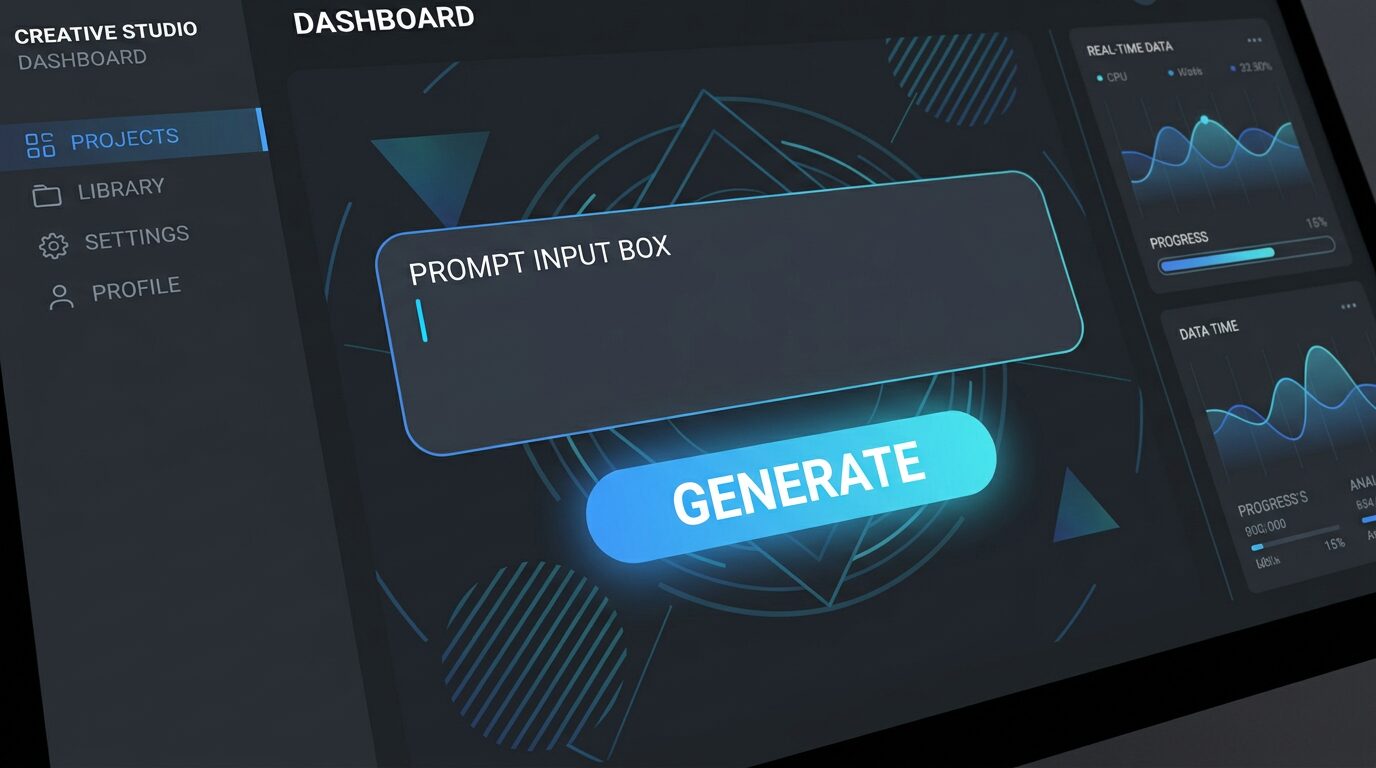
The day-to-day mechanics look like this:
- Application. You apply through the partner dashboard with a channel URL (site, YouTube, newsletter, etc.) and a short description of how you plan to promote.
- Approval. Manual review, usually within 1–3 business days. Approval is more about traffic quality than audience size — a small, on-topic newsletter converts better than a huge off-topic YouTube channel.
- Link generation. Approved partners get a unique affiliate ID, deep links to specific plan pages, and optional UTM parameters for tracking per-article performance.
- Tracking. The dashboard shows clicks, signups, conversion rate, and earned commission. Most partners check it weekly.
- Payouts. Commissions accrue after the user's refund window closes (typically 30 days), and are paid monthly once you cross the minimum threshold.
For creators already publishing about AI tools, the activation cost is essentially zero — you already have the audience, you just need to add the link. For everyone else, the activation cost is "produce useful content first, monetize later." Trying to do it in reverse is the single most common reason affiliate programs fail.
🔥 Quick context: If you haven't already, our token plans breakdown is the highest-converting piece of context for readers on the fence about signing up.
Open the plan page →Commission rates and cookie windows
Two numbers matter more than anything else in an affiliate program: the rate you earn per conversion, and the window in which a click can still be attributed to you. Get either wrong and your entire strategy is mispriced.
Commission structure
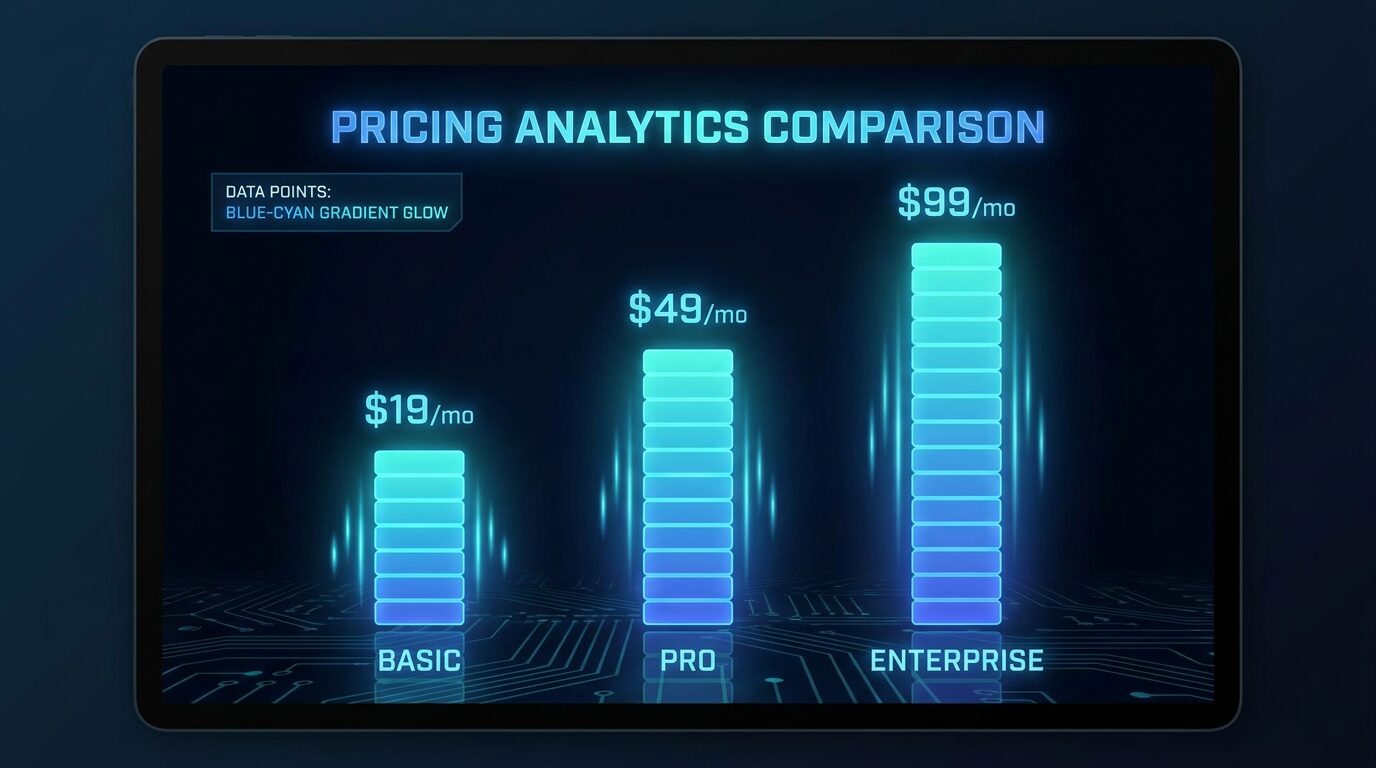
The MiniMax AI affiliate program uses a recurring revenue share on subscription plans, with higher one-time payouts for first-month conversions. The exact percentages move as partner terms are updated, but the broad structure is roughly:
| Plan tier | Customer pays | Your commission (first month) | Recurring share |
|---|---|---|---|
| Starter | $9 / mo | ~30% of first month | ~10–15% recurring |
| Pro | $39 / mo | ~30% of first month | ~15–20% recurring |
| Business | $199 / mo | ~25% of first month | ~15–20% recurring |
| Enterprise | Custom | Negotiated, often 10–20% | Negotiated |
Three things to internalize from that table. First, Pro is the workhorse — the plan most readers end up buying, so most of your conversions land there and most of your earnings come from it. Second, Starter conversions are easy but cheap — a $9 plan earns a small commission, so you need volume to make it meaningful. Third, Enterprise deals are larger but rarer. They pay more per deal but the volume is too low to plan around.
Cookie window and attribution
The default cookie window is 30 days from first click. Click today, sign up 28 days later, you still get credit. The model is "last click wins" — if they click your link, then a different affiliate's link, the second affiliate gets the conversion. Always link to your most recent, most relevant content, not a 2023 blog post.
For a deeper dive into how plan economics play out, our token cost calculator walks through the per-output math. Pair that with the rates above and you can model realistic per-conversion revenue before you write a post.
Who should (and shouldn't) bother
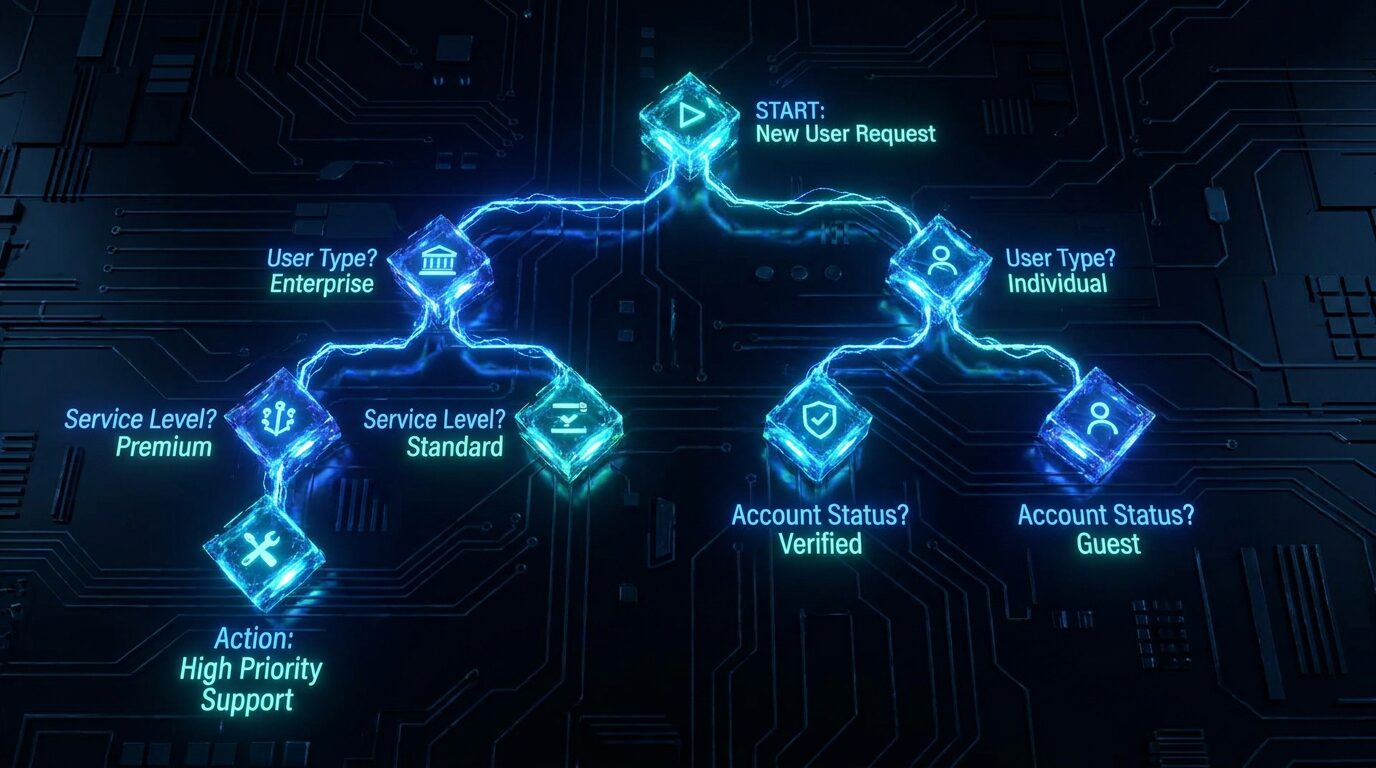
Not every creator should join an affiliate program. The right fit is narrower than the marketing suggests. Here's a quick decision tree.
You'll do well if…
- You already publish about AI tools, design, or content creation. The audience overlap is what makes conversion work.
- You have a content engine, not just a single post. Affiliate income compounds across posts. One article is a lottery ticket; twenty is a portfolio.
- Your traffic is at least 1,000 targeted visitors per month. Below that, the math is rough; above 10,000, it starts to look like a real income stream.
- You're patient. Most successful affiliates see meaningful revenue 3–6 months in, not 3–6 weeks.
You probably shouldn't bother if…
- You don't have a channel yet and aren't planning to build one. Affiliate income without a content asset is a fantasy.
- You need income in the next 30 days. Affiliate marketing is a compounding game, not a sprint.
- You aren't willing to disclose the relationship. FTC and equivalent international rules require it, and it builds reader trust anyway.
- You think "AI affiliate" means spamming AI-generated posts about AI tools. Search engines and readers have gotten very good at detecting this.
The honest version: this is a good program for people who are already producing high-quality content about AI tools. For everyone else, the program is real but the path to meaningful income is not short.
Best content types for conversion
Not all content converts equally. Here's a rough hierarchy by intent, based on industry-typical affiliate performance for SaaS tools in the AI category.

1. In-depth reviews and hands-on tests (highest conversion)
Long-form reviews with screenshots, real outputs, and honest pros/cons. These convert at 3–8× the rate of generic posts because the reader is already in evaluation mode. Our 30-day honest review is a good example.
2. Comparison posts ("MiniMax vs. X")
Comparison content captures high-intent search traffic. Someone searching "MiniMax vs. Runway" is actively choosing. Be honest — if MiniMax loses a category, say so. Readers reward that, and so does Google.
3. Tutorials and how-to content
Step-by-step walkthroughs build trust and demonstrate competence. They convert less directly than reviews but build the audience you'll convert later. They're also the easiest format to keep updating as the product changes.
4. YouTube and short-form video
Video converts well, especially for AI tools where the output is visual. A 60-second reel can outperform a 2,000-word blog post if the visual is striking. The catch: video production is a different skill and a different content calendar.
5. Newsletter features and curated roundups
Including MiniMax in a weekly AI tools roundup won't convert at 5%, but it builds the recognition that makes your next in-depth review land harder. Roundups are the long game.
6. Topical SEO and "best of" lists
"Best AI tools for X" posts still drive traffic, but readers are skeptical by default. Convert better with personal experience and specific use cases, not generic feature lists.
For a hands-on walkthrough that demonstrates the product in action, our 10-minute quickstart pulls readers in and primes them for a conversion.
Realistic earnings scenarios
Here's the section every "affiliate marketing" guide buries. Let's do the math. All numbers below are illustrative — they reflect industry-typical economics for AI tool affiliate programs, not guaranteed income.
The baseline: what's realistic for a small content site
Assume a niche site with about 3,000 monthly targeted visitors actively looking for AI creator tools. A realistic click-through on a relevant review is 1–3% of visitors, and 3–8% of clicks convert to a paid sign-up. Working the math:
- 3,000 visitors × 2% click-through = ~60 clicks
- 60 clicks × 5% conversion = ~3 paid sign-ups per month
- 3 sign-ups × ~$12 average commission = ~$35–$60 per month
Not a fortune, but real passive income from existing content that scales with traffic.
The mid-tier: a focused creator publishing weekly
Assume a YouTube channel or blog with 10,000–25,000 monthly targeted visitors and 2–4 articles or videos per month. You typically see:
- 10,000 visitors × 3% click-through = ~300 clicks
- 300 clicks × 4% conversion = ~12 sign-ups per month
- 12 sign-ups × $20 average commission = ~$200–$400 per month
Add a sprinkling of Business plan conversions and recurring share on existing customers, and you can realistically clear $500–$1,000/month within 6–12 months of consistent publishing.
The ceiling: serious content operators
Operators with 50,000+ monthly visitors, an email list, and a content team can push past $2,000–$5,000/month, occasionally more. This isn't a side hustle — it's a small business. It's also rare, and the operators who reach it typically spent 12–24 months building the audience first.
The honest version of the table
| Scenario | Monthly targeted traffic | Sign-ups / month | Illustrative monthly earnings |
|---|---|---|---|
| Hobbyist with a niche blog | 1,000 – 3,000 | 1 – 3 | $20 – $80 |
| Working creator publishing weekly | 10,000 – 25,000 | 8 – 20 | $200 – $800 |
| Established creator with email list | 50,000+ | 30 – 80 | $1,500 – $5,000 |
| Full content business | 200,000+ | 100+ | $5,000 – $15,000+ |
Notice the spread. The top tier is real, but the "AI affiliate" marketing rarely tells you how many sites are actually in the top tier. Most are at the bottom, earning $50–$200/month — enough to cover hosting, not the day job. That's the honest baseline.
Common pitfalls that kill your conversions
Most affiliates don't fail because the program is bad. They fail because they repeat the same handful of mistakes. Here's what to avoid.
Pitfall 1: Promoting without recommending
The single biggest mistake is treating your affiliate link like a banner ad — sticking it on every page, in every post, regardless of context. Readers see through this instantly. The link should appear when you would have mentioned the product anyway, not as a forced CTA. Honest recommendation converts; lazy placement does not.
Pitfall 2: Ignoring the refund window
Commissions don't get paid out immediately. If a user signs up and cancels within the refund window (usually 30 days), the commission is reversed. A month with a "great" sign-up count can produce disappointing payouts.
Pitfall 3: Buying traffic from cold sources
Paid traffic can work, but most affiliate terms forbid bidding on brand keywords and require disclosure on paid placements. Cheap traffic from irrelevant sources will produce clicks but no conversions, and may violate the program terms. Quality matters more than volume.
Pitfall 4: Forgetting to disclose
FTC and equivalent international rules require clear disclosure of affiliate relationships. A buried "we may earn a commission" at the bottom of the page is not enough. Disclose near the link, in plain language. It's legally required and it actually increases trust.
Pitfall 5: No content calendar
Affiliate income compounds across posts, but only if you keep publishing. Affiliates who treat it as a one-time link insertion don't earn compounding income — they earn a single small payout and then nothing.
Frequently asked questions
How much does the MiniMax AI affiliate program pay per referral?
Standard payouts are a recurring revenue share on subscription plans, with higher one-time payouts for first-month conversions. The exact rate depends on the partner tier and the customer's plan — Starter conversions pay less in absolute terms than Business or Enterprise.
How long is the affiliate cookie window?
The default cookie window is 30 days from the user's first click on your affiliate link. If they sign up within that window — even on a different device after clicking — the referral is attributed to you.
Do I need a website to join the program?
Not strictly. YouTube, Substack, TikTok, and other content channels typically qualify, as long as you can drive real, policy-compliant traffic. The application reviews the channel, not a specific platform.
When and how are commissions paid out?
Commissions accrue after the user's refund window closes (typically 30 days), and payouts are processed monthly once you pass the minimum threshold (commonly $50–$100). Standard payment methods include bank transfer, PayPal, and on some programs, crypto.
Can I promote MiniMax AI on paid ads?
Bidding on the brand keyword "MiniMax AI" is almost always prohibited. Generic paid search and social ads are usually fine, but the partner agreement typically requires disclosure and adherence to platform advertising policies. Read the partner terms carefully before spending money on paid promotion.
Conclusion
The MiniMax AI affiliate program is a real, well-structured opportunity — but it rewards the same fundamentals every content business rewards: pick a topic your audience cares about, publish consistently, and recommend honestly.
If you're a working creator with a real audience, this is one of the better AI affiliate programs to add to your stack. If you're starting from zero, the affiliate program should be the destination, not the starting point. Build the content first.
You can realistically earn a few hundred to a few thousand dollars a month from a healthy AI-focused content channel within 6–12 months — not $10,000 in 30 days, but a real, compounding return on work you were probably doing anyway.
Want to see the product you'll be recommending?
Sign up for a MiniMax token plan, run a few generations, and you'll have the context you need to write the kind of review that actually converts. Pricing is live, and you can start with any tier in under a minute.
👉 Get Your Token Plan Now*Affiliate link — we may earn a commission at no extra cost to you.