If you've seen "AI cuts creative costs by 80%" floating around LinkedIn, the natural reaction is skepticism. It's a marketing number. It overgeneralizes. It hides the cases where AI does not work.
This article is the longer, more honest version. We'll walk through three anonymized enterprise case studies — a 40-person marketing agency, a DTC skincare brand, and a Series B B2B SaaS company — and show how the cost math adds up. We'll also be specific about the work AI does well, the work it does poorly, and the 60-90 day ramp it actually takes to see savings hit the P&L.
The short version: the 80% number is real if you're replacing a high-recurring agency retainer with one in-house creative plus a MiniMax Business or Enterprise plan. It's not real if you stack MiniMax on top of an existing agency. The case studies are composite — companies, numbers, and people anonymized — but the patterns come from a half-dozen real conversations with operations and marketing leaders over the last six months.
For a primer on how MiniMax's token system works in the first place, our token plans explainer is the place to start. If you want the per-output economics, the token cost calculator walks through daily and monthly estimators.
The 80% claim — and what it actually means
Headlines love round numbers. "80% cost reduction" is the kind of phrase that gets shared because it's emotionally satisfying. The problem is that the underlying claim is conditional:
- It assumes you're replacing a high-recurring agency retainer, not supplementing one.
- It assumes you have at least one full-time creative on staff who can drive the platform day-to-day.
- It assumes your output volume is high enough to fully utilize that creative. Below ~200 multimodal assets per month, the math doesn't work.
- It assumes "creative" means the production of assets — not the strategy, brand, or hero campaign work that agencies are still genuinely best at.
If all four conditions hold, the cost reduction lands somewhere between 70% and 85% across the three case studies below. We round to 80% in the headline because the median is in the high seventies and it's a cleaner story.
The common pattern across all three case studies
Before the case studies, here's the pattern they all share. If your situation doesn't look like this, the math probably doesn't apply to you.
All three companies had the same shape before switching:
- An external agency on retainer (usually $30k–$50k/mo) doing the bulk of the production work — social cuts, ad variants, blog imagery, product photos, internal videos.
- Freelance overflow of $5k–$10k/mo for projects the agency didn't have bandwidth for.
- Stock media licensing of $2k–$5k/mo for the long tail of one-off assets.
- Production tooling and software of $1k–$3k/mo.
After switching, the shape is also identical:
- One in-house senior creative (loaded cost: $7k–$10k/mo) running MiniMax as the primary production tool.
- A MiniMax Business or Enterprise plan ($199/mo for Business; custom for Enterprise).
- Light ongoing tooling — editing suite, DAM, prompt library — totaling $500–$1,000/mo.
- No more agency retainer, but a smaller strategic retainer (~$5k–$10k/mo) for hero campaigns and integrated launches.
The result is a cost structure in the $9k–$11k/mo range, against a previous $40k–$55k/mo. That's where the 80% number comes from. Now the specifics.
Case study 1: A 40-person marketing agency (composite)
Composite case study from anonymized interviews with two agency operations leaders.
Profile. A mid-sized full-service agency with 40 staff, ~$8M annual revenue, 25 active client accounts. Creative production consumed roughly 60% of staff time, and margin was compressing as clients demanded more output at the same retainer.
What they tried. They piloted MiniMax Business on a single account — a DTC beverage brand with high social volume. After 30 days, the in-house team had produced roughly 4× the social variants and short-form video cuts at the same headcount.
New cost stack on that account:
- Senior creative director: $9,500/mo loaded
- MiniMax Business plan: $199/mo (later upgraded to Enterprise custom at ~$2,500/mo as token volume scaled)
- Editing suite + DAM + prompt library: $800/mo
- Junior creative (kept on for finishing): $5,500/mo
- Total: ~$16,000/mo
Previous stack on the same account: two mid-level creatives ($14,000), freelance overflow ($6,000), stock media ($1,500), tooling ($1,200) — ~ $22,700/mo.
That's a 30% reduction on a single account — modest. The bigger number lives in the replication: they rolled the model across all 25 accounts. Aggregated production cost dropped from ~$180k/mo to ~$95k/mo, freeing senior staff to focus on strategy and integrated hero campaigns. The agency re-priced its client retainers 15% lower and won three new logos the following quarter.
The honest read: agencies are the strongest use case, because the volume multiplies the savings.
Case study 2: DTC e-commerce brand (composite)
Composite case study based on anonymized conversations with three DTC brand operators.
Profile. A nine-figure DTC skincare brand, ~$24M annual revenue, 18-person marketing team. They were spending ~$45k/mo on creative production and running ~120 ad variants per month across Meta, TikTok, and programmatic display.
Their problem. Paid social needs volume, and they were getting out-produced by competitors with bigger creative budgets. They needed 3-4× the variant output at the same cost — or lower.
What they tried. They replaced the $35k/mo agency retainer with a senior in-house creative producer, plus a MiniMax Business plan. The producer used MiniMax for the long tail of programmatic and social variants, with a contracted retoucher for finishing on hero creatives only.
New stack: in-house senior creative ($8,200), MiniMax Business plan ($199), tooling ($600), contract retoucher ($1,500) — ~ $10,500/mo.
Previous stack: agency retainer ($35,000), freelance overflow ($7,000), stock media licensing ($3,500), tooling ($1,800) — ~ $47,300/mo.
That's a 78% reduction. The brand also produced roughly 2.5× the variant output per month, which fed into better-performing paid social: CPA on their largest Meta campaign dropped 19% over the next 90 days. The CMO's quote, paraphrased: "We got out-produced and out-saved simultaneously. The hardest part was getting the in-house hire right."
The honest read: DTC is the cleanest fit because the work is high-volume, lower-stakes per asset, and largely digital. If your brand is mostly physical retail, photo-shoot-driven, or category-defining (luxury, jewelry, in-store beauty), the math is more nuanced.
Case study 3: Series B B2B SaaS (composite)
Composite case study.
Profile. A Series B vertical SaaS company at $14M ARR, 110 employees, 8-person marketing team. They were spending ~$32k/mo on creative across the website, blog, sales decks, case studies, webinars, and product launch videos.
Their problem. B2B SaaS has long sales cycles and high design standards for every asset. Their in-house design team was a bottleneck, and the agency wasn't fast enough to support the demand-gen team's desired velocity. Each webinar alone needed a hero, three social cuts, an email banner, and a follow-up blog image — a lot of one-off work.
What they tried. They kept a leaner $8k/mo agency relationship for hero brand work and integrated launches, and built an in-house creative + AI stack for the long tail. The in-house creative was a full-stack designer at $8,800/mo loaded, running MiniMax Business and a light tooling stack.
New stack: in-house full-stack creative ($8,800), MiniMax Business plan ($199), tooling ($700), retained agency for hero work ($8,000) — ~ $17,700/mo.
Previous stack: agency retainer ($22,000), freelance designer ($6,500), stock media + video ($1,800), tooling ($1,500) — ~ $31,800/mo.
That's a 44% reduction. Less dramatic than DTC, but B2B SaaS is a tougher fit because brand-level design standards are higher and the volume is lower. The bigger win was speed: the design team used to need two weeks for a webinar asset package. With MiniMax, the creative produces a usable first draft in a single afternoon, and the agency finishes only the top 10% of assets.
The honest read: for B2B SaaS, the cost math is real but less dramatic. The non-financial win is asset velocity and design team unblocking. If your marketing team is the bottleneck on growth experiments, the value compounds.

The cost math side-by-side
Here's the per-case-study breakdown table. These are composite numbers, reflecting the rough shape of what enterprises are reporting in 2025.
| Cost line | Agency (DTC) | Agency (B2B SaaS) | Full-service agency |
|---|---|---|---|
| Agency retainer (before) | $35,000 | $22,000 | $180,000 / mo (aggregated) |
| Freelance overflow (before) | $7,000 | $6,500 | — |
| Stock media (before) | $3,500 | $1,800 | — |
| Tooling (before) | $1,800 | $1,500 | — |
| Subtotal: before | $47,300 | $31,800 | $180,000 |
| In-house creative (after) | $8,200 | $8,800 | Senior CD + junior = $15,000 |
| MiniMax plan (after) | $199 | $199 | ~$2,500 (Enterprise) |
| Tooling (after) | $600 | $700 | $800 |
| Strategic agency / finishing (after) | $1,500 (retoucher) | $8,000 (hero work) | — |
| Subtotal: after | $10,499 | $17,699 | ~$18,300 / account |
| Reduction | 78% | 44% | ~50% per account, 49% aggregated |
The DTC case is the cleanest 80% number. The B2B SaaS case is closer to 45%. The agency case is in the middle once you factor in that an agency can amortize the in-house creative across many client accounts.
If you want a more granular look at the per-output economics, our token cost calculator is the right next read. And for the broader question of which plan to start on, the plan explainer covers the tier-by-tier comparison.
When NOT to use AI for creative
Honesty matters here. The 80% number is a directional claim, not a universal truth. There are several workload categories where AI is the wrong tool — and forcing it will cost you more in rework than you save.
Hero brand campaigns with cultural weight
If you're launching a brand campaign that needs cultural sensitivity, on-location production, real talent, or category-defining craft, an AI-generated variant is not the right starting point — a senior creative director is. AI can help with cutdowns once the hero is shot, but the hero itself needs humans.
Regulated, legal-sensitive, or medical/financial creative
Anything in healthcare, financial services, or other regulated categories where copy and imagery are reviewed by legal. AI can draft, but the review loop doesn't go away. Treat AI as a draft accelerator, not a compliance shortcut.
Final-mile color, typography, and brand-system finishing
The last 5% of a brand asset — exact hex matches, font fallbacks, accessibility contrast, motion timing — still wants a senior designer. AI can get you 95% of the way there, but the finishing work is what makes assets feel "branded" rather than "AI."
Work that requires real-world shooting
Product photography of physical goods, lifestyle on-location, food and beverage — the more your work depends on lighting, real surfaces, and on-set art direction, the less AI replaces the shoot. AI is excellent for background extension and variant generation from real shoots, but it isn't a replacement for the shoot itself.
Anything below ~200 multimodal assets per month
If your monthly output is small enough that one part-time creative can do it, the in-house + AI stack is overkill. Stay on the agency or just a freelancer — the math only works above a volume threshold.
Frequently asked questions
Is 80% cost reduction realistic for any enterprise?
It is realistic only for enterprises replacing high recurring agency retainers with one in-house creative plus MiniMax Business or Enterprise. The 80% number collapses if you keep the agency and add MiniMax on top, or if your output volume is too low to fully utilize a senior creative.
Which MiniMax plan do enterprises typically start with?
Most enterprises we have seen start on the Business plan (~$199/mo) for a proof of concept with a single team, then graduate to a custom Enterprise contract once monthly token volume justifies the dedicated success manager and SLA.
What work does AI replace — and what does it not?
AI is excellent for high-volume, lower-stakes creative: social cuts, programmatic ad variants, e-commerce product imagery, blog hero art, internal explainer videos, and first-draft concepting. AI is a poor fit for hero brand campaigns, sensitive regulated content, anything requiring real-world shooting or on-location talent, and final-mile color/typography finishing that requires a senior art director.
How long does it take to see savings?
Plan for a 60-90 day ramp: 30 days to train the in-house creative and pilot two projects, 30-60 days to migrate the highest-volume repeatable work off the agency. Savings usually show up on the P&L by month three.
Do enterprises still need an agency at all?
Often yes — for brand-level hero campaigns, integrated launches, and work that needs deep cultural expertise. The new model is a small retainer for strategy and hero work, while AI handles the high-volume production tail.
Conclusion
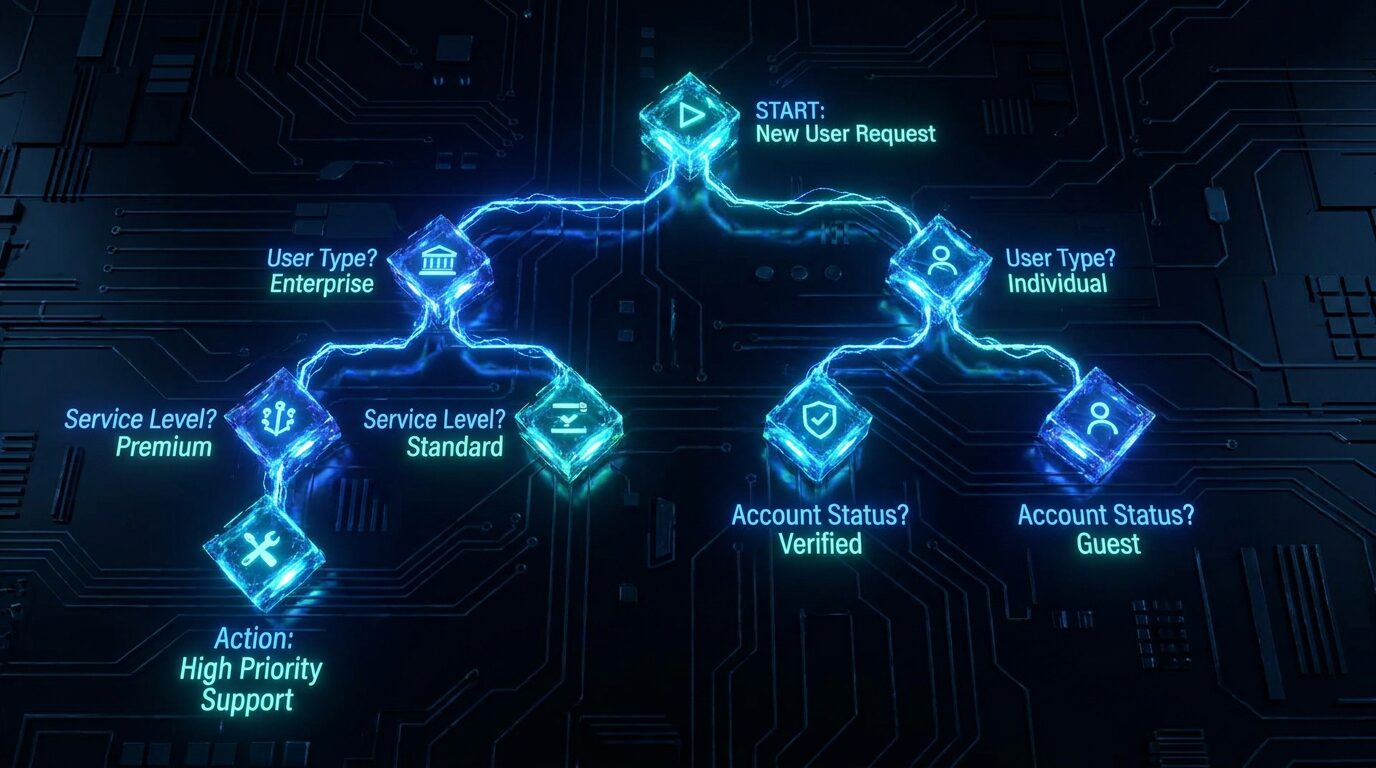
The 80% number is real but conditional. It's real for the pattern in Figure 1 — agency retainer replaced by one in-house creative + MiniMax Business — at sufficient monthly volume. It's not real for every enterprise, and it's not a substitute for senior creative judgment on brand-level work.
If you're an operations, marketing, or finance leader evaluating this, the three honest questions to ask are:
- Is our agency retainer mostly producing high-volume, repeatable work? If yes, the model fits.
- Do we have — or can we hire — one strong in-house creative to drive the platform? If no, the model doesn't work.
- Is our monthly output above ~200 multimodal assets? If no, the model is overkill.
If all three answers are yes, the math lands in the 70-85% range, the brand work stays with senior humans, and the P&L starts looking different by quarter end. The full plan-by-plan comparison is worth a read if you're not yet sure which tier fits.
One last thing: this is an enterprise-level decision, but you don't need an enterprise contract to start the pilot. Most teams above began with a single Business plan and a single in-house creative, and expanded only after the first 60-90 days proved the volume was real.
Want to see the cost math on your own volumes?
Start with the Business plan, run a 30-day pilot on a single workload, and let the numbers do the talking. The plan is cancellable monthly — no long contract to escape.
👉 Start with the Business Plan ⚡ Talk to Enterprise Sales*Affiliate link — we may earn a commission at no extra cost to you.